
This post contains affiliate links.
Are your curls being affected by your water rather than your products? Believe it or not, there are different factors to take into account in your curly hair routine depending on if you have soft water or hard water.
You can find out whether you have hard or soft water by googling “your country + hard water map”, and although I’ve found no two maps are identical, it should give you a rough idea of whether you’re in a soft, medium or hard water area.
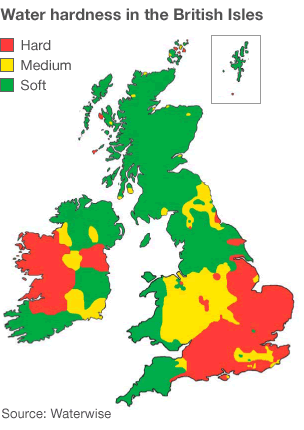
What is hard water?
Hard water is water that contains a high number of mineral deposits such as calcium and magnesium. These minerals are what cause limescale, which is why you see this around taps and in kettles more often in hard water areas.
Hard water also causes tighter, dryer skin and soap scum stains in your shower. It is harder to create a lather with shampoos and soaps with hard water, so you may find you have to use more of your products to get them to work.
What are the signs you have hard water buildup on your hair?
Hard water buildup on hair can make it feel dry, dull, coated and brittle, because the minerals are forming a film around your hair and preventing your products from working as well as they should. This can lead to breakage and split ends. You might also experience more angry frizz, and hard water can also make your scalp more dry.
How to counteract hard water buildup
The best way to shift hard water buildup is with a clarifying shampoo that contains chelating agents, such as: Trisodium Ethylenediamine Disuccinate, Sodium Phytate/Phytic Acid, Disodium EDTA, and Tetrasodium EDTA.
You will want to clarify more often if hard water is an issue for you, perhaps every other week at least. You may also need to incorporate a little cream or leave-in into your routine to counteract the dryness caused by hard water, or even deep condition more frequently, but it’s best to go by how your hair feels each time you wash.
Here are a few clarifying shampoos that also contain chelating ingredients:
- Noughty Detox Dynamo Shampoo (also sulphate-free)
- Aldi Lacura Luscious Lengths Shampoo
- Bumble & Bumble Sunday Shampoo
- Ouai Detox Shampoo
- Malibu C Hard Water Wellness Shampoo (sulphate-free)
If you think your hard water is really causing issues for your hair (and skin!) then investing in a water softener or a shower filter might be a good idea. Hello Klean does a shower filter, but I haven’t used it myself as I live in a soft water area. Let’s talk about that now!
How does soft water affect curly hair?
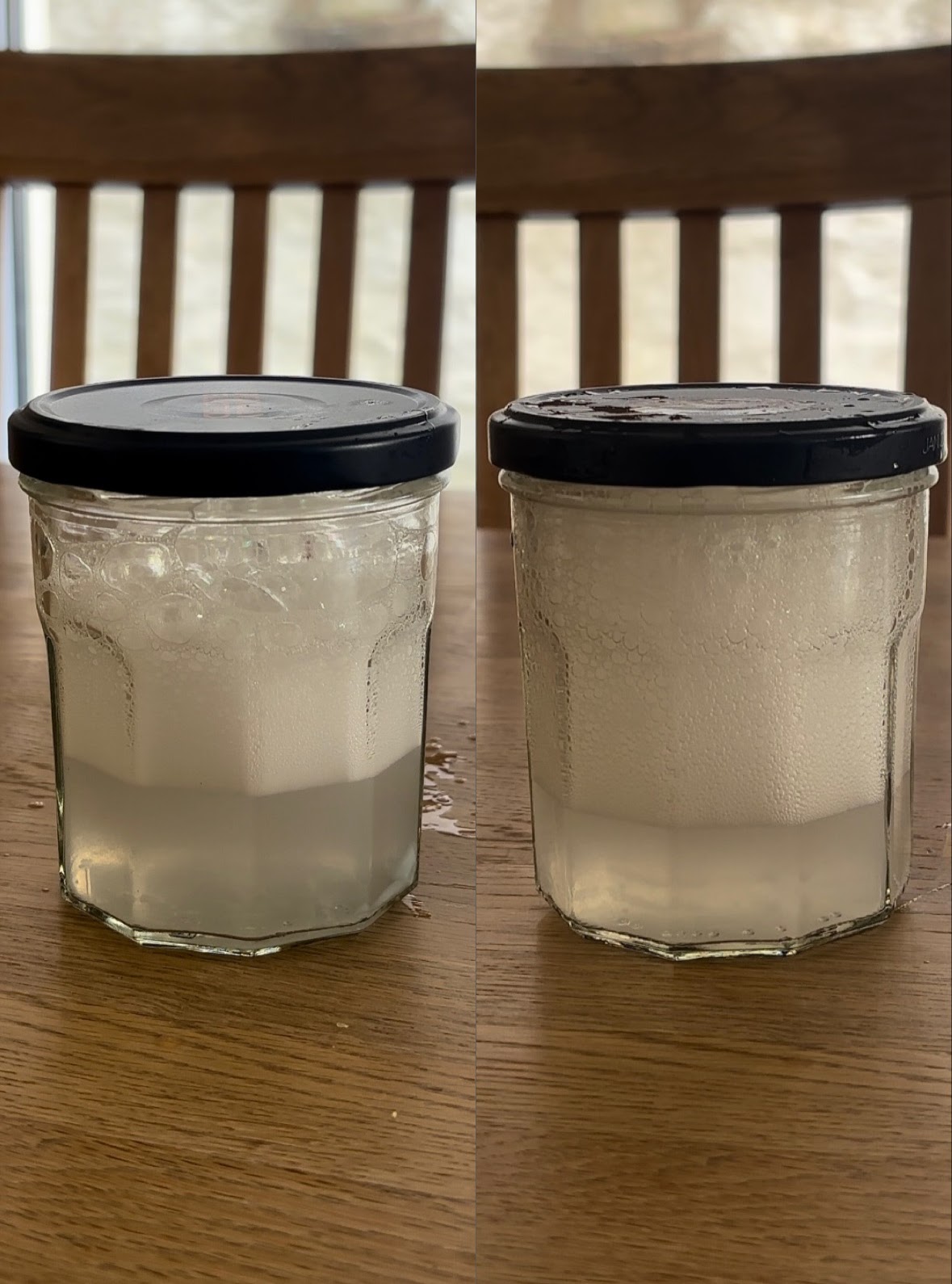
Soft water contains little to no calcium or magnesium, which makes it much easier to clean with. It produces suds more easily, so you tend to need less cleanser or soap when washing with soft water. Your hair might also feel softer in comparison when you wash it with soft water…is there even a downside??
Only when it comes to curly hair! As someone who lives in a soft water area, and who has fine hair, I find that my curls can become too soft very easily. It’s almost like the soft water is contributing to my hair being overconditioned. When your curls are too soft, they can lose their curl easily, go limp, or gain extra fluffy halo frizz.
How to counteract soft water with curly hair
When you have soft water (and fine hair), you may have to go against the usual curly rules. That means cutting down on using oils, leave-ins, creams, deep conditioners and overly moisturising shampoos, so that you curls don’t become too soft and can still hold their structure.
If you’re travelling from a hard water area to a soft water area, bear in mind that you will need less product than usual, so only use a small amount of your conditioning products (like leave-ins and creams), or cut them out completely.
Focusing on getting a strong hold also helps me, which means styling with two gels or incorporating protein into my routine.
And although you don’t have to clarify/chelate as often in soft water areas, you may find that using a less-moisturising shampoo will also help your hair to not be overly soft, so that you’re mainly getting conditioning from your conditioner.
Do you have soft or hard water? And have you noticed if it has affected your curly hair?


 Curls by the Coast
Leave a reply to Anonymous Cancel reply