
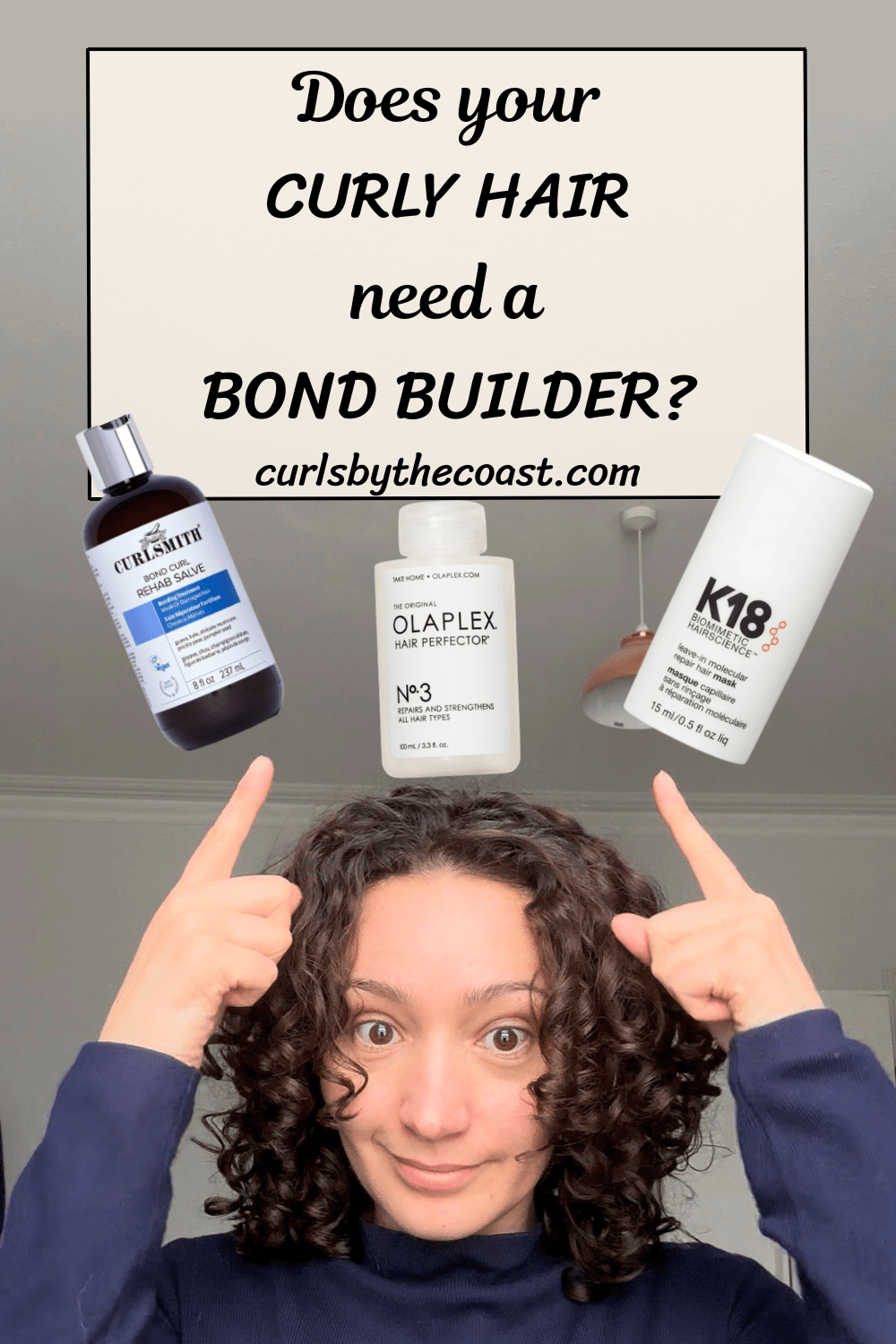
- What is a bond builder?
- When should you use a bond builder on your curly hair?
- Can you overuse bond building products?
- Is my bond builder giving me protein overload?
- Best bond builder products for curly hair
If you are looking to make your curly hair healthier, and your curls are recovering from damage, then you may have come across lots of bond products that claim to repair the hair.
But what do bond builders do? Do your curls need one? Can you overuse bond builders? And how are bond builders different from protein treatments? Read on to find out.
What is a bond builder?
Bond builders are products that help repair damaged hair by repairing or replacing broken bonds within our hair strands. There are 3 types of bonds that hold our hair’s structure: hydrogen bonds (which are designed to break when your hair gets wet), ionic/salt bonds, and disulphide bonds.
Unlike deep conditioners, which are really designed to smooth and condition the outer cuticle, bond builders penetrate even more deeply into the hair shaft to repair these bonds and strengthen our hair on a molecular level.
When should you use a bond builder on your curly hair?
Bond builders are especially good for repairing chemical damage, such as bleach, permanent hair colour, keratin treatments, or even if you’ve been swimming too much and the chlorine is damaging your hair.
They can go a little way towards repairing sun damage and heat damage, too. But it’s worth nothing that they can’t repair breakage like split ends – this type of damage has to be cut off.
Depending on how damaged your hair is, you can use bond builders 1-3 times a week, and then drop it down to once a month or longer if your hair is on its way to getting healthier.
Can you overuse bond building products?
Although bond building products need to be used a few times in order to maintain the repair that they are doing, there have been a lot of reports of people experiencing brittle, dry or waxy/coated hair when using bond building products.
This is actually from people using bond building products too often, or unnecessarily. It’s worth remembering that they are designed for very damaged hair, especially chemically damaged hair – so if your hair is on the healthier side, using bond building products every washday could easily become overkill.
If your hair texture starts to feel like this, it’s best to stop using your bond products and clarify your hair with a normal clarifying shampoo to remove any buildup. Then reduce your usage – you may only need to use them every month or so, if at all.
Is my bond builder giving me protein overload?
A lot of people think that their hair has protein overload when they have actually only been using bond building products. But bond builders do not necessarily contain protein, and just because something contains amino acids or protein, does not mean it can repair peptides or bonds on a molecular level.
Protein treatments are like hair masks that contains hydrolysed proteins. These fill in gaps in the cuticle (which are caused by damage too) like a conditioner, and can add strength and structure to fine and damaged curly hair. But, they do not necessarily penetrate deeper like certain bond builders do.
Some people describe “protein overload” as their hair feeling brittle and rough, sometimes accompanied by angry frizz. But it’s not clear whether you can actually ‘overload’ on protein, since our hair is made of protein too. Instead, it could be a form of underconditioning – proteins are conditioning agents, but not very good ones, so sometimes you need a different product to get your hair to feel smooth and soft.
For more information about protein hair products and protein overload, check out my post aaaalll about protein and moisture for curly hair.
Best bond builder products for curly hair
If you’re reading this and thinking “yep, sounds like my hair needs a bond builder!” below are some of the most popular bond builder products that can repair your damaged curly hair.
Olaplex No. 3
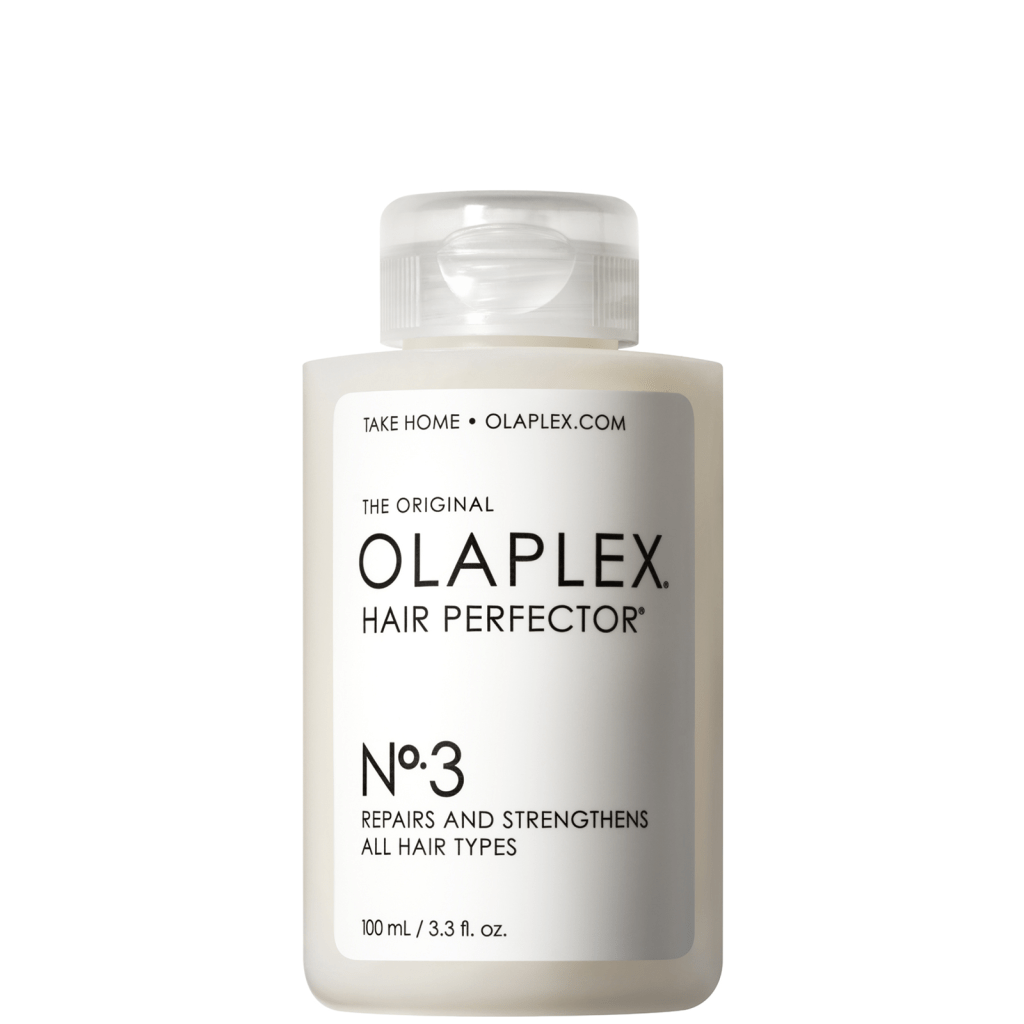
The OG bond builder, Olaplex No. 3 is a pre-shampoo treatment. Originally only used in salons, it has recently been reformulated to be a little more conditioning for easier use at home, but still containing their patented bond building ingredient that repairs disulphide bonds.
Find it on: LookFantastic (and use code LFTFCOAST for a discount if it’s not on sale) | Sephora | Amazon UK | Amazon US
K18 Leave-in Molecular Repair Hair Mask
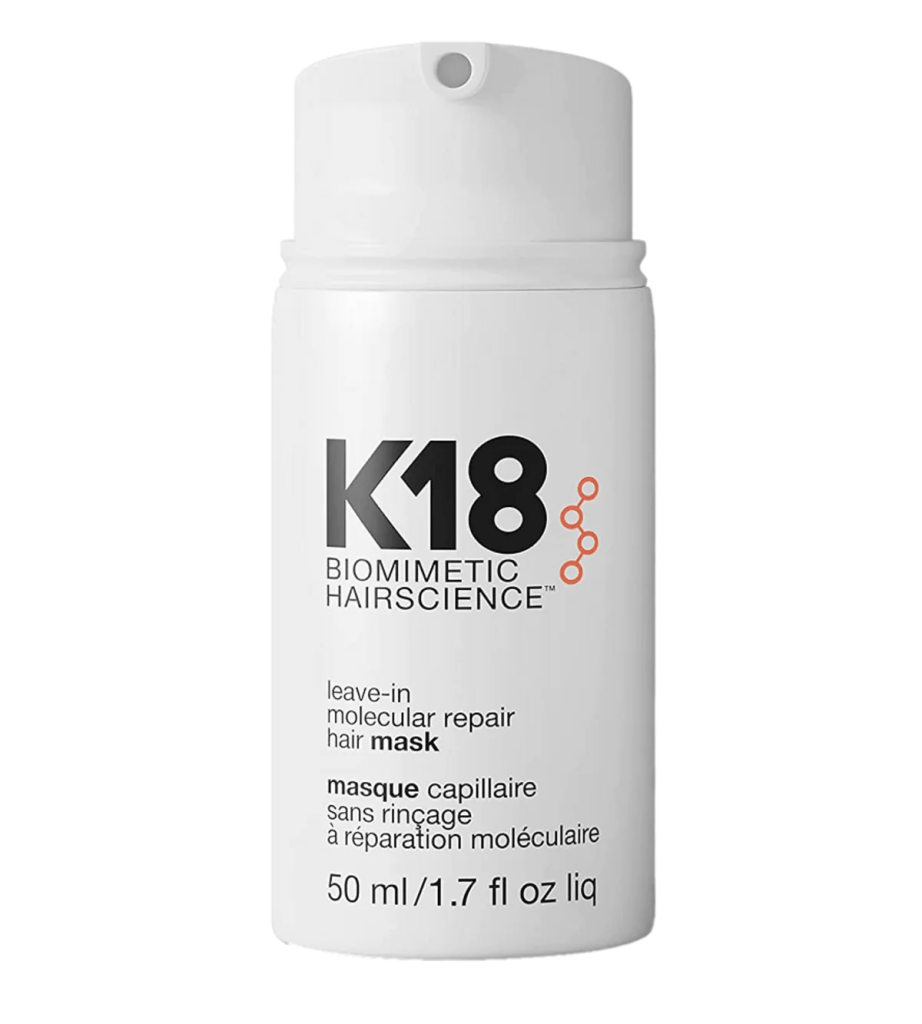
K18 is more expensive compared to Olaplex but it has taken the internet by storm recently thanks to its peptide-repairing technology. This is a leave-in with a peptide that mimics hair’s structure to reconnect polypeptide chains and disulphide bonds broken during heat and chemical damage. It’s certainly worth the money if your curls have bleach damage.
Buy it from its own website | Cult Beauty | Space NK | Amazon UK | Amazon US
Redken Acidic Bonding Concentrate Range
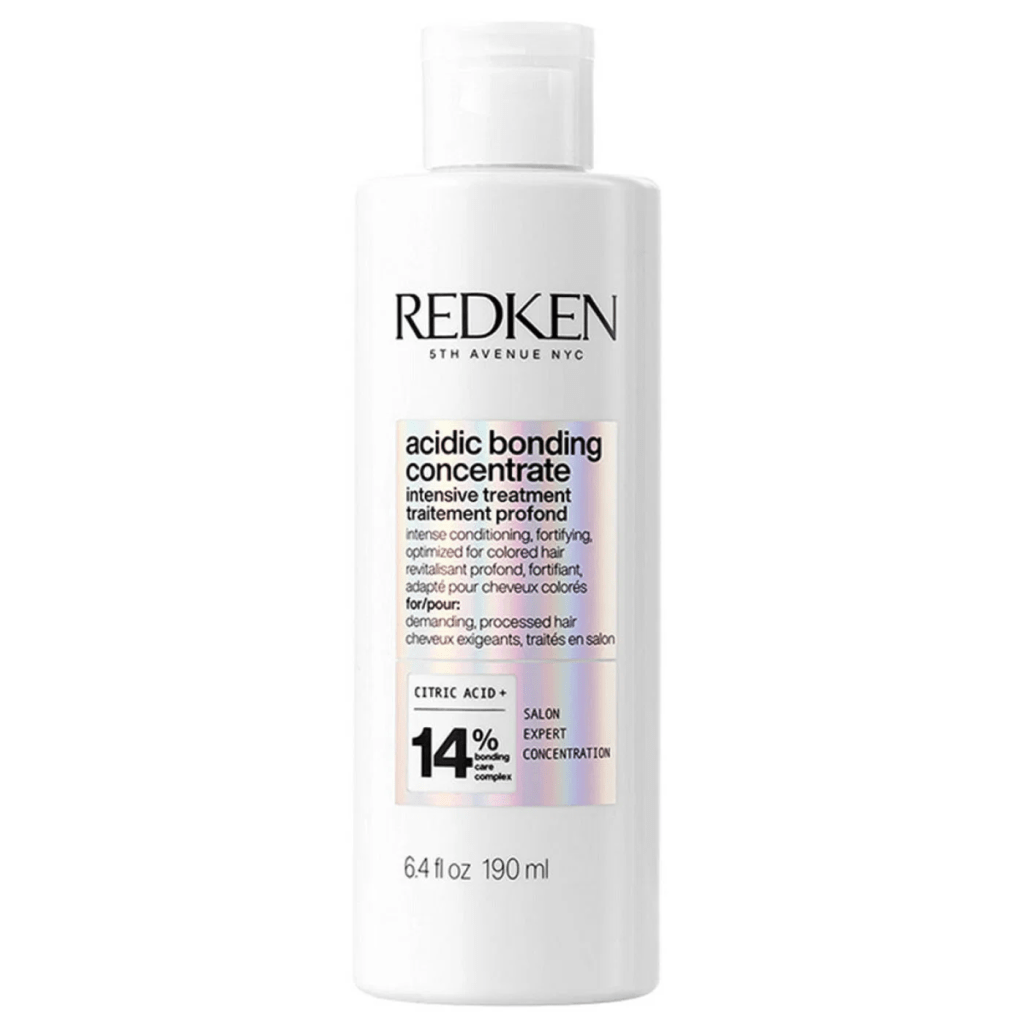
Redken’s Acidic Bonding range contains citric acid, which rebalances the pH in your hair and is great for repairing the ionic bonds in your hair, which can get damaged when using bleach or permanent colour. The range contains a shampoo, conditioner, leave-in, serum and pre-treatment.
Buy the pre-treatment at Boots UK | LookFantastic (and get money off with code LFTFCOAST)| Amazon UK | Amazon US
Curlsmith Bond Curl Rehab Salve
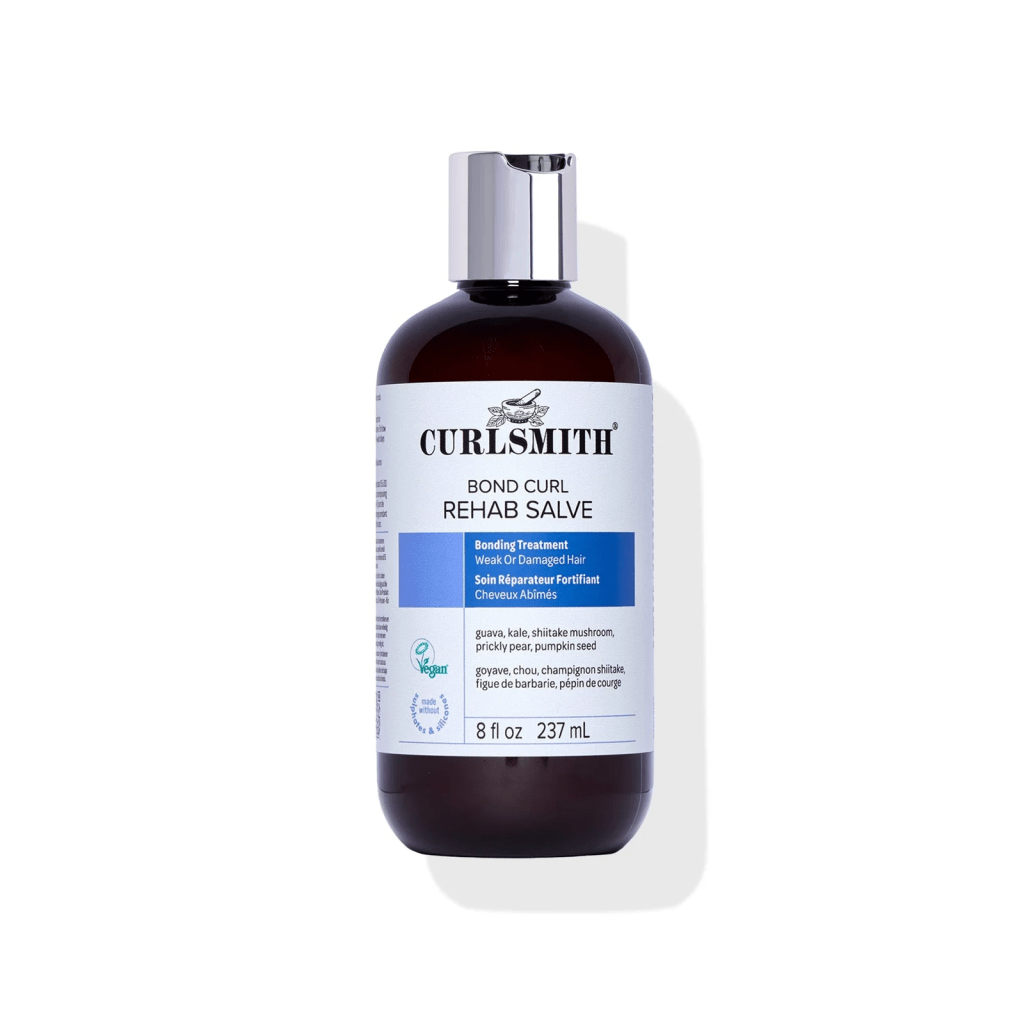
This hair mask contains Hydroxypropylgluconamide (for strengthening hydrogen bonds) and citric acid (for repairing salt bonds – see Redken above). It is also marketed as a protein treatment, although it’s worth noting that neither the protein nor the bond builders are at the top of the ingredients list, making it potentially gentler than Olaplex and K18. Still, it’s very highly rated among curly haired users for making their hair feel soft and healthy again.
Buy it on their own website | Boots UK | LookFantastic (and get 21% off with code LFTFCOAST) | Amazon UK | Amazon US
Note: Curlsmith revamped their packaging recently, with the old packaging having a purple band on it and the new packaging having blue on it. The formulation hasn’t changed.
Hopefully this information will help you figure out whether you need a bond builder in your curly routine, or if you’re using one too much!
This has been a very broad overview of bond builders, but for a deeper dive into the science, check out this video by trichologist Afope Atoyebi.
And for a lot of extra nuance and even more science, check out Lab Muffin Beauty Science’s video.
 Curls by the Coast
Share your thoughts…