

What’s the deal with alcohols? The Curly Girl Method doesn’t allow them: according to Curly Girl: The Handbook by CGM founder Lorraine Massey, “certain alcohols […] are okay if they’re in a cleanser, but those used in gels can be extremely drying for the hair.”
As I’ve talked about before, the Curly Girl Method can be a bit over-simplistic, and the deeper I get into hair-related science, the more nuances there are…so, are alcohols bad in curly hair products? Which alcohols are “good” and which should be avoided?
Disclaimer: I am not a scientist, so this is a very broad and brief overview! But the more we understand about *why* we’re told to favour/avoid certain ingredients in curly haircare (and what the truth actually is), the more informed decisions we can make about what works for us personally.
Types of alcohols
In very broad terms, alcohols are organic compounds that come in all shapes and sizes and have a ton of uses. You may have heard of two types of alcohols being mentioned in hair products: “drying” alcohols and “moisturising” (aka fatty) alcohols.
But what’s the difference, and how do alcohols dry out or moisturise your curly hair?
Short-chain alcohols (aka drying alcohols)

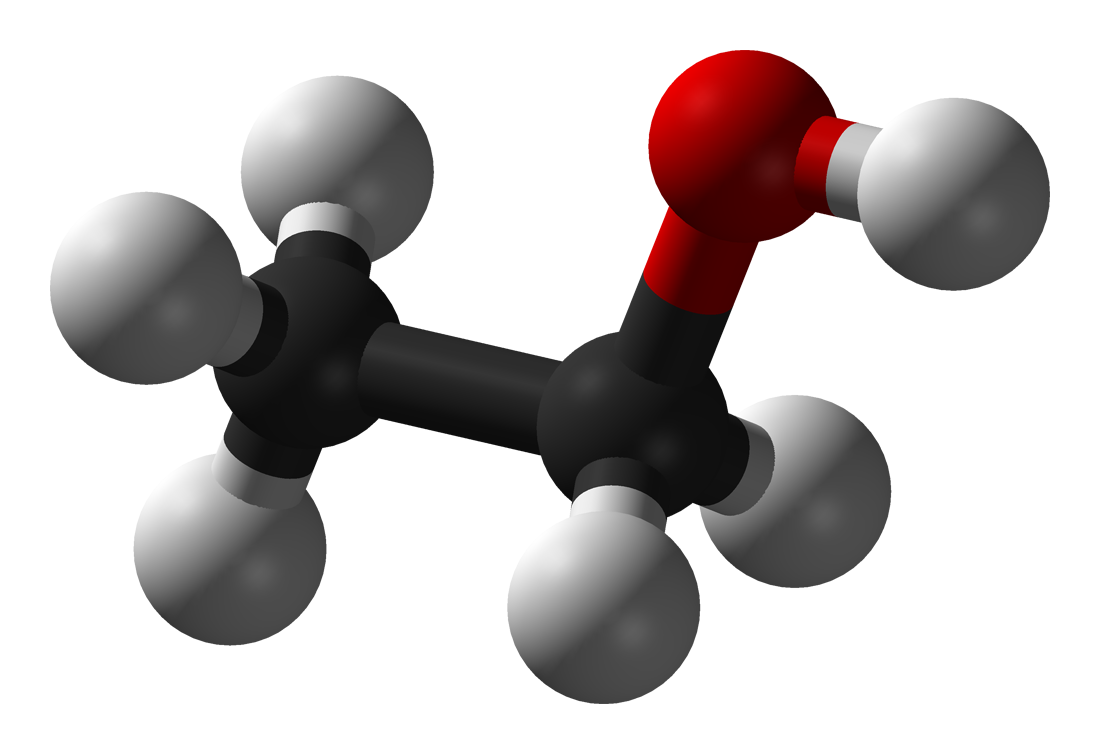
Examples: ethanol, propanol, alcohol denat. (aka denatured alcohol), isopropyl alcohol (aka isopropanol).
Benzyl alcohol is also a short-chain alcohol, but it is a preservative, so works in a slightly different way to the ones described below.
Short-chain alcohols have fewer than 3 carbon atoms, meaning they have a low molecular weight. This light structure means that they can evaporate quickly, and are often used in quick-drying products like hairsprays and dry shampoos, as well as helping to create a quick-breaking foam in mousses. They are also used as solvents to help ingredients dissolve better.
Thanks to this evaporation, short-chain alcohols make products like hair stylers dry quicker – but they sometimes strip the hair of moisture too quickly in the process.
It’s important to note that even if an alcohol was added to a product in the formulation and it evaporated before the product was bottled, it still has to be added to the ingredients list, which can be the case when you see alcohols at the very bottom of an ingredients list.
Long-chain alcohols (aka fatty alcohols)

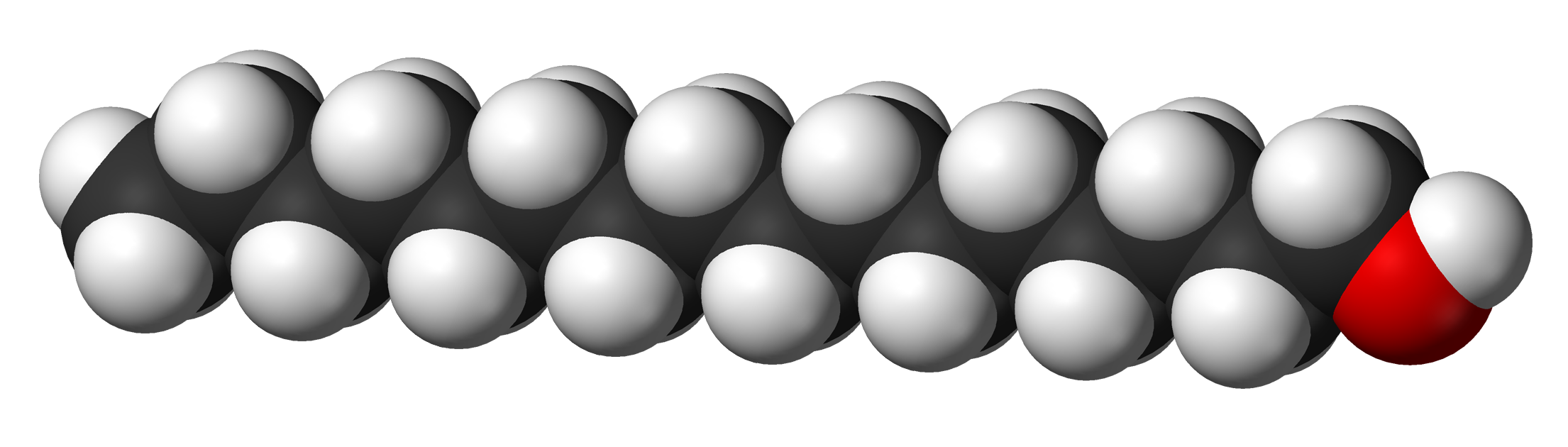
Examples: cetyl alcohol, cetearyl alcohol, stearyl alcohol, lauryl alcohol, oleyl alcohol
Long-chain alcohols can have up to 26 carbon atoms, so they are heavier and more lubricating than short-chain alcohols. These alcohols are derived from natural fats and oils, and therefore add slip to your hair. This is why you’ll often see them in conditioners and other moisturising products.
In addition to acting as an emollient (a moisturiser), they are also added to products to act as thickeners or emulsifiers, or to make the product appear more opaque.
So, should you avoid all short-chain alcohols?
It’s good to be aware of how ingredients work, in case you do encounter issues with a product, but I wouldn’t write off a product immediately just because of one ingredient.
First, remember that the further down the ingredients list the alcohol appears, the less of it there is, so if it is close to the bottom, it’s likely that it makes up less than 1% of the ingredients and might even evaporate instantly. Even the Curly Girl Handbook says: “[the ingredients] near the very end are in such small amounts as to be meaningless.”
Secondly, don’t forget that the overall formulation is more important than a single ingredient – one of my favourite conditioners has alcohol denat. as the second ingredient, yet it still leaves my hair feeling slippery and well-conditioned. (It’s the Umberto Giannini Conditioning Water, in case you were wondering).
That’s because it also has other conditioning and water-retaining ingredients to counteract it, like Propylene Glycol, Cetrimonium Chloride, PEG-40 Hydrogenated Castor Oil, and Panthenol. The alcohol presumably helps to keep it watery while dissolving the other ingredients, making it a great lightweight formula for fine hair.
On the flipside, I didn’t get on great with the Malibu Sun scalp protector, which has alcohol denat. as its first ingredient (making it its base) followed by all of its UV protecting ingredients and a little fragrance. While it does protect my scalp, it does make my hair feel a little rough and coated due to the lack of moisturising ingredients alongside it.
So in all, it’s up to you to decide if you want to avoid “drying” alcohols in your curly hair products. You may find that if you are following a healthy hair routine and your curls are getting the right amount of conditioning, then those short-chain alcohols may not bother your curls too much.
References:
- Bender, Michele, Massey, Lorraine, Chiel, Deborah (2011) Curly Girl: The Handbook.
- https://incidecoder.com/
- Johnson, Dale H. (1997). Hair and Hair Care.
- https://www.naturallycurly.com/curlreading/home/good-alcohols-vs-bad-alcohols
- https://www.naturallycurly.com/curlreading/curl-products/all-about-alcohols
- Smolinske, Susan C (1992). Handbook of Food, Drug, and Cosmetic Excipients.
- Images: Wikimedia Commons
 Curls by the Coast
Share your thoughts…